What the mistral does to a shutter
Three days of wind, one hinge, and why we check the east terrace first.
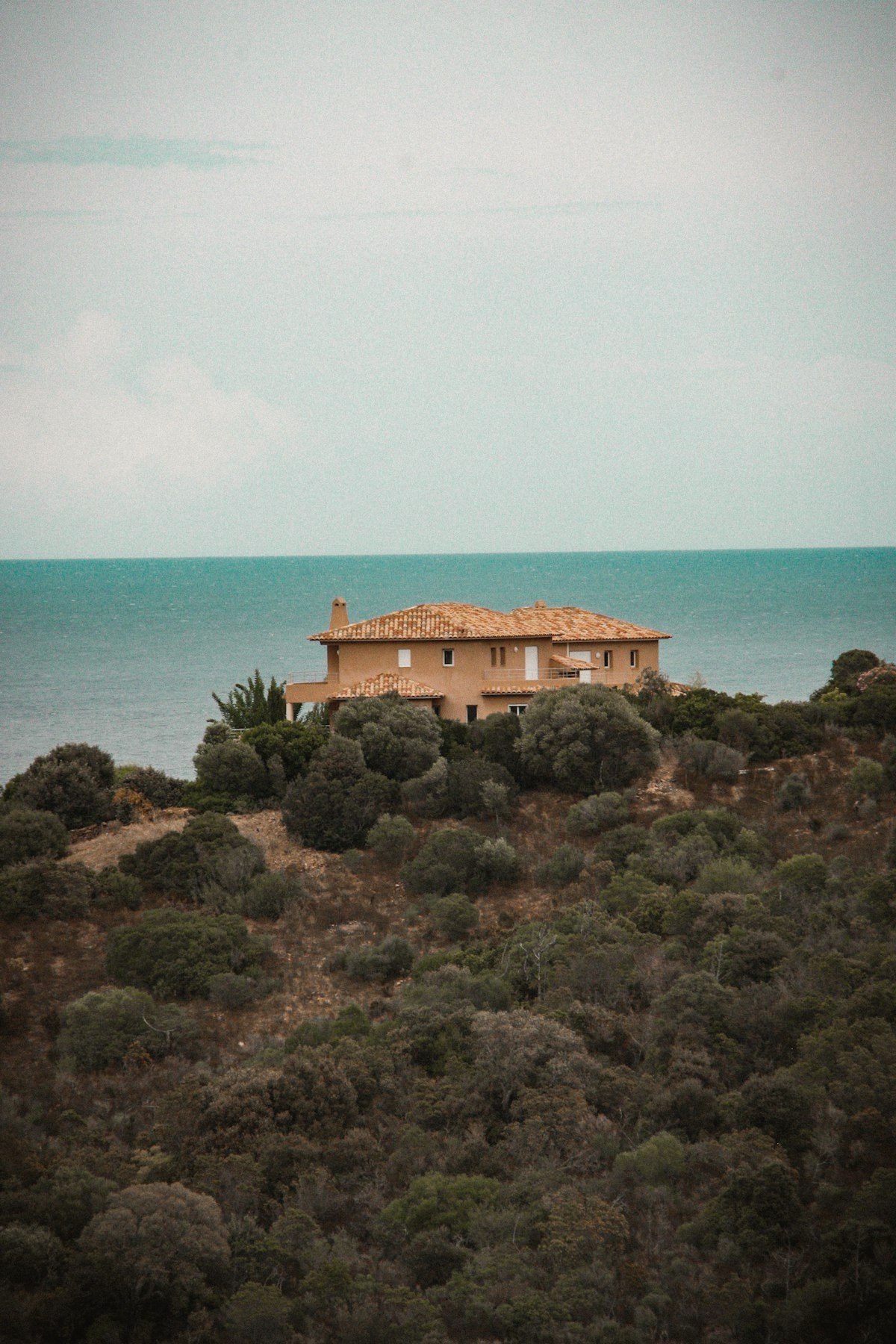
The mistral rarely gets this far east. It belongs to the Rhône and to Marseille, and by the time it has crossed the Var it has usually spent itself. But two or three times a year it comes over the hills behind Sospel instead of along the coast, and then it arrives in Menton from the wrong direction, from the north-west, over the roofs, and finds every shutter that faces it.
It announces itself the evening before. The sea goes flat and very dark, the lights of Bordighera come up sharper than they should, and the air smells of pine rather than salt. By the second morning it has found every latch that was not thrown and every hinge that was tired. On the 12th it found one on the east terrace of a house above Garavan, and by lunch the shutter was resting on the balustrade rather than on its pins.
It was back on by four. The hinge was original, cast iron, and had been quietly rusting through for a decade under a coat of paint that hid it well. We replaced it with the same pattern from the ironmonger in the old town, who keeps a drawer of them because every house in Garavan has the same problem in the same place. The east terraces catch the wind coming over the hill; the sea-facing ones do not.
So when the sea goes flat in the evening, we check the east terraces first, in every house, before the wind arrives. It takes an hour. It saves a shutter, a pane, and a paragraph in the Report that nobody wants to read.